

The clatter of coins and the whirr of mechanical reels have long been the soundtrack of Australian pubs and clubs. From the old-school one-armed bandits to the digital pokies that dominate venues today, the evolution has been steady. But the latest shift is something else entirely. Three-dimensional slot games are changing how punters experience the spin, merging cinematic storytelling with the instant gratification of a win. For a nation that spends more per capita on gambling than almost any other, this is not just a novelty – it’s a genuine market shift.
Aussie players have always been early adopters when it comes to online casino technology. The shift from desktop to mobile was rapid, and the appetite for immersive features is insatiable. Now, the rise of 3D slots is capturing the imagination of a demographic that grew up on PlayStation and Netflix. These games don’t just spin reels; they drop you into a world. Whether it’s a treasure hunt through the Outback or a fantasy realm with animated characters, the visual fidelity is a far cry from the cherries and bells of yesteryear.
I sat down with Adam Hall, Risk and Integrity Manager at Laneway Interactive Media, to get the inside word.“The depth of engagement in 3D slots is unprecedented. Players aren’t just chasing a payout – they’re invested in the narrative, and that changes how they interact with the game,” he said. Hall’s perspective is grounded in years of monitoring player behaviour, and he sees the technology as a double-edged sword: more entertaining, but also requiring sharper responsible gambling tools.
This article explores the mechanics, the market, and the regulatory landscape surrounding these games. From the technical wizardry behind the graphics to the legal battles over pokie design, we’ll unpack what makes 3D slots a phenomenon worth watching. And we’ll look at where savvy Aussies are playing them, including a standout operator that has become a household name in the local scene.
What makes 3D slots different
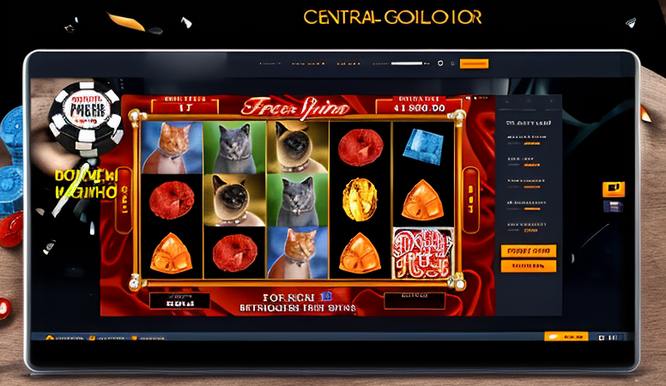
At its core, a 3D slot is still a random number generator at work. But the presentation layer is where the magic happens. Unlike traditional video slots that use flat 2D graphics, these games employ real-time rendered 3D models, parallax scrolling backgrounds, and fluid animations that respond to every spin. The result is a sense of depth that makes symbols pop off the screen. Think of the difference between a classic cartoon and a Pixar film – the gap is that wide.
The gameplay mechanics are often more complex too. Many 3D slots feature branching storylines, interactive bonus rounds where you navigate a character through a maze, or skill-based elements that blur the line between a slot and a video game. This is a deliberate move by developers to attract younger players who find traditional pokies repetitive. In Australia, where the average age of a land-based pokie player skews older, online 3D slots are drawing in a fresh crowd.
But it’s not just about looks. The audio design in these games is equally sophisticated, with surround-sound effects and custom soundtracks that shift with the action. Combine that with haptic feedback on mobile devices, and you have a multi-sensory experience. For a punter sitting on the couch in a Sydney apartment or a Perth balcony, it’s a world away from the fluorescent-lit gaming rooms of the local RSL.
The tech behind the reels
Building a 3D slot requires a different skillset than traditional game development. Studios like Betsoft, Play’n GO, and NetEnt have invested heavily in 3D engines, often using Unity or Unreal Engine – the same tools used for console and PC games. The development cycle is longer, sometimes eighteen months from concept to release, and the cost can run into the millions. That investment is justified by the returns: 3D slots consistently outperform standard titles in player retention metrics.
The technical challenge is optimising these rich graphics for mobile devices, where the majority of Australian online play occurs. Developers must balance visual fidelity with battery life and load times. Adaptive streaming and lightweight asset compression have become standard. The result is a game that runs smoothly on a four-year-old iPhone or a budget Android tablet, which is crucial in a market where NBN speeds can still be patchy in regional areas like the Central West.
One approach involves adaptive scaling, where the game automatically reduces detail during intense scenes, as discussed in recent mobile gaming coverage. Another is to use more efficient compression formats, which can cut data load without sacrificing perceived quality. Ultimately, testing on a range of devices is key to finding the sweet spot for Australian players.
Speaking of regional coverage, local news outlets have been tracking the uptick in online gambling interest. The Central Western Daily recently ran a piece on how rural communities are turning to mobile casinos as traditional venues face restrictions. That shift is accelerating the demand for high-quality 3D content, because players who can’t get to the pub want the best possible experience from their lounge room.
Australian players and their preferences
Aussie gamblers are famously loyal to games that offer a fair go, but they also have a taste for novelty. The success of 3D slots in the local market can be traced to the popularity of branded titles – games tied to movies, TV shows, or pop culture icons. When a slot features characters from a beloved film, the 3D rendering makes the connection feel more authentic. It’s the difference between a static logo and a lifelike avatar that waves at you when you hit a bonus.
The demographic split is revealing. While older punters still gravitate towards classic fruit machines and low-volatility games, players under 35 are flocking to 3D slots with high volatility and big win potential. The thrill of a 500x multiplier on a single spin, accompanied by a cinematic explosion of colour and sound, is a powerful draw. Meanwhile, the social aspect is not forgotten – many 3D slots include leaderboards, tournaments, and shareable achievements, tapping into the competitive streak of the average Aussie battler.
Another factor is the Australian love for themed promotions. Casinos that offer free spins on new 3D releases or cashback on losses see higher engagement. The best operators understand that the game itself is the hero, not just the bonus. Players want to explore a new world, not just chase a wagering requirement. That’s why a site like Joe Fortune, with its curated selection of 3D titles, has become a go-to for those who value quality over quantity.
Legal landscape and class actions
The Australian regulatory environment for online gambling is a patchwork of state and federal laws. The Interactive Gambling Act 2001 prohibits unlicensed operators from offering real-money games to Aussies, but loopholes have allowed offshore sites в нашей организации to thrive. Meanwhile, land-based pokies are tightly controlled, with state governments imposing machine caps, mandatory pre-commitment schemes, and maximum bet limits. Cruise-ship casinos typically must close while docked in port due to local laws, a quirk that highlights the complexity of gambling regulation in this country.
That complexity extends to the design of the games themselves. In recent years, class actions have challenged pokie design as allegedly misleading, arguing that the visual and audio cues intentionally deceive players about their chances of winning. These lawsuits have targeted the use of near-misses, the speed of spins, and the illusion of control. While the outcomes are still pending, they have put pressure on developers to be more transparent. For 3D slots, where the immersive experience is so powerful, the stakes are even higher.
Adam Hall weighed in on this tension.“If a game is too engaging, it can blur the line between entertainment and harm. The industry has a responsibility to build in friction points – breaks in play, loss limits, and clear information about odds. The technology should serve the player, not exploit them,” he said. His point is echoed by responsible gambling advocates who want to see 3D slots include mandatory reality checks and speed controls, much like the new regulations being considered for land-based machines.
Where to play: comparing top sites
Choosing the right casino for 3D slots is about more than just a big library. Aussie players need a site that offers AUD deposits, fast payouts, and reliable customer support. They also need a platform that understands the local market – offering promotions tied to the footy season or the Melbourne Cup, for example. Among the operators that tick all these boxes, Joe Fortune stands out as a leader. It boasts a dedicated collection of 3D titles from top-tier developers, along with a sleek mobile interface that runs like a dream.
Another option is Rocket Play, which has built a reputation for its generous welcome bonuses and regular free spin offers on new releases. For a thorough breakdown of its game library and banking options, you can check out https://review-rocketplay.com/au. That site provides independent analysis that helps punters decide where to park their money. When comparing platforms, look for the number of 3D slots, the average return-to-player percentage, and the availability of demo mode – essential for testing before you deposit.
The comparison table below shows how Joe Fortune stacks up against other top contenders. Note that Joe Fortune offers the highest number of 3D-exclusive titles, with a focus on cinematic gameplay. Its customer support is available 24/7 via live chat, and withdrawals are processed within 24 hours for crypto users. For bank transfers, the timeline is slightly longer, but still competitive. Other operators may offer larger overall game libraries, but for pure 3D quality, Joe Fortune is the benchmark.
The future of 3D slots
The trajectory is clear: 3D slots are not a passing fad. As virtual reality headsets become more affordable and 5G networks roll out across the country, the next generation of these games will be even more immersive. Imagine stepping into a virtual casino where you can walk around, pull the lever on a 3D slot machine, and see the reels spin in front of your eyes. That technology is already being tested in overseas markets, and it’s only a matter of time before it lands Down Under.
But there are hurdles. The Australian government is considering stricter advertising bans and a potential credit card gambling prohibition, which could slow the growth of online casinos. Meanwhile, the class actions over pokie design may set precedents that affect how 3D slots are built. Developers will need to balance innovation with compliance, ensuring that the games remain fun without crossing the line into manipulation.
For the average punter, the immediate future looks bright. More 3D titles are launching every month, with themes ranging from ancient Egypt to cyberpunk Melbourne. The quality of the storytelling is improving, and the bonus features are becoming more creative. Whether you’re a casual spinner or a high-roller, there’s a 3D slot out there that feels like it was made for you. And as the market matures, the competition between operators will only drive the experience higher.


